
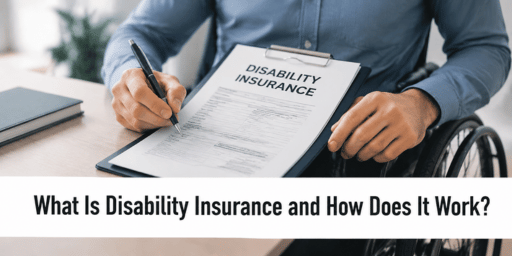
Life is unpredictable, and a sudden illness or injury can affect your ability to work and earn an income. While many people invest in health insurance or life insurance, they often overlook the importance of protecting their monthly income. This is where disability insurance becomes valuable.
Disability insurance is designed to provide financial support if you become unable to work because of a medical condition, accident, or disability. It helps cover essential expenses and offers peace of mind during difficult times. Understanding how disability insurance works can help individuals and families make smarter financial decisions and prepare for unexpected situations.
What Is Disability Insurance?
Disability insurance is a type of coverage that replaces a portion of your income if you cannot work due to an illness or injury. Instead of receiving your full salary, the insurance company pays monthly benefits that help you manage everyday living expenses while you recover.
The purpose of disability insurance is to reduce financial stress when you are unable to earn a regular income. These benefits can help cover important expenses such as mortgage payments, rent, groceries, utility bills, transportation costs, and loan repayments.
Many people assume disability insurance is only necessary for individuals with physically demanding jobs. However, disabilities can happen to anyone, including office workers, business owners, and self-employed professionals.
How Does Disability Insurance Work?
Disability insurance works by providing income replacement benefits when a policyholder becomes medically unable to work. To receive these benefits, you must first purchase a disability insurance policy and continue paying the required premiums.
If you become disabled because of an injury or illness, you can file a claim with your insurance provider. The insurer will review your medical condition, employment details, and policy terms before approving the claim.
Most policies include a waiting period, also known as an elimination period. This is the amount of time you must wait before receiving benefits. Once the waiting period ends and your claim is approved, the insurance company begins paying monthly benefits based on the percentage of income covered in your policy.
The benefits continue for a specific period depending on your coverage, which may range from a few months to several years.
Types of Disability Insurance
Short-Term Disability Insurance
Short-term disability insurance provides temporary income replacement for a limited period, usually from a few weeks up to six months. It is designed to help individuals recover from temporary medical conditions or injuries.
This type of coverage is commonly used for situations such as surgeries, pregnancy-related complications, temporary illnesses, or minor injuries that prevent someone from working for a short time.
Short-term disability benefits usually begin quickly after the waiting period ends, making them useful for immediate financial support.
Long-Term Disability Insurance
Long-term disability insurance offers income replacement for extended periods, sometimes lasting several years or even until retirement age. This coverage is important for serious illnesses or injuries that significantly impact a person’s ability to work.
Long-term disability insurance may cover chronic illnesses, severe injuries, mental health conditions, neurological disorders, and permanent disabilities.
Because long-term disabilities can create major financial challenges, this type of insurance is often recommended for professionals, business owners, and primary income earners.
What Does Disability Insurance Cover?
Disability insurance policies may cover a wide range of medical conditions and disabilities. Coverage depends on the insurance provider and the terms outlined in the policy.
Common conditions covered by disability insurance include back injuries, fractures, cancer, heart disease, depression, anxiety, chronic pain, neurological conditions, and serious accidents.
Some policies also provide coverage for mental health conditions if they prevent an individual from performing their job duties.
It is important to carefully review policy exclusions and definitions because not every condition automatically qualifies for benefits.
How Much Income Does Disability Insurance Replace?
Most disability insurance policies replace between 60% and 85% of your regular income. The exact percentage depends on the policy you choose and your financial situation.
For example, if a person earns $6,000 per month and their policy replaces 70% of their income, they may receive $4,200 per month in disability benefits.
These monthly payments help individuals maintain financial stability while they recover and return to work.
Disability insurance can benefit almost anyone who relies on a regular income to pay bills and support their lifestyle. However, it is especially important for self-employed individuals and families with a single primary income earner.
Business owners, contractors, healthcare professionals, office workers, and freelancers often purchase disability insurance because losing income could create financial hardship.
People with mortgages, car loans, children, or other financial responsibilities may also benefit from having disability coverage in place.
Employer Disability Insurance vs Private Disability Insurance
Some employers offer disability insurance as part of an employee benefits package. Group disability coverage through an employer can be affordable and convenient, but it may not provide enough protection.
Employer-sponsored plans often have lower coverage limits and may end if you leave your job. In contrast, private disability insurance offers more flexibility and customization.
Private policies allow individuals to choose their coverage amount, waiting period, and benefit duration. They also remain active regardless of employment changes.
How Much Does Disability Insurance Cost?
The cost of disability insurance depends on several factors, including age, occupation, health history, income level, and the amount of coverage selected.
In general, premiums usually range between 1% and 4% of annual income. Younger and healthier applicants often receive lower rates because they are considered lower risk.
People working in high-risk occupations may pay higher premiums because of the increased chance of workplace injuries.
Although disability insurance requires monthly payments, many people view it as an important investment in long-term financial protection.
Common Reasons Disability Claims Are Denied
Insurance companies carefully review disability claims before approving benefits. Claims may be denied for several reasons, including incomplete medical documentation, missed premium payments, or failure to meet the policy definition of disability.
Pre-existing condition exclusions can also affect eligibility in some cases.
To improve the chances of a successful claim, policyholders should maintain accurate medical records, follow treatment recommendations, and fully understand their policy terms before purchasing coverage.
Why Disability Insurance Is Important
Many Canadians underestimate how financially damaging a long-term illness or injury can be. Without income protection, it may become difficult to manage daily living expenses, mortgage payments, or debt obligations.
Government disability programs often provide limited financial support that may not fully replace lost income. Disability insurance helps bridge that gap and provides greater financial security during recovery.
For families and individuals who depend on a steady paycheck, disability insurance can provide valuable peace of mind and financial stability.
Tips for Choosing the Right Disability Insurance Policy
Choosing the right disability insurance policy requires careful consideration of your financial needs and future goals. It is important to compare benefit amounts, waiting periods, policy exclusions, and benefit durations before making a decision.
You should also consider whether the policy offers “own occupation” coverage, which pays benefits if you cannot perform your specific job, even if you are capable of working in another role.
Working with an experienced insurance advisor can help you understand your options and select the right coverage for your situation.
Final Thoughts
Disability insurance is one of the most important forms of financial protection available today. It helps replace income if you become unable to work because of an illness, injury, or disability, allowing you to focus on recovery instead of financial stress.
Whether you are self-employed, a business owner, or a salaried employee, having disability insurance can help protect your financial future and support your family during unexpected situations.
By understanding how disability insurance works and choosing the right policy, you can build a stronger financial safety net and gain confidence knowing your income is protected. Contact us for more information.